Hypothermia — Cold Exposure
Proper first aid for hypothermia to gently restore body temperature and prevent cardiac complications.
Proper first aid for hypothermia to gently restore body temperature and prevent cardiac complications.
If a person is shivering uncontrollably, confused, slurring their words, clumsy, or showing extreme drowsiness, call emergency services immediately (911 / 112). Core temperatures below 95°F (35°C) require professional intervention.
Move the person out of the cold, wind, and rain immediately. Get them to a warm, dry shelter or room. If you cannot go indoors, shield them from the wind and wet weather.
Gently remove all wet clothing. Avoid moving the person roughly; sudden or harsh movements can trigger dangerous, irregular heart rhythms (arrhythmia).
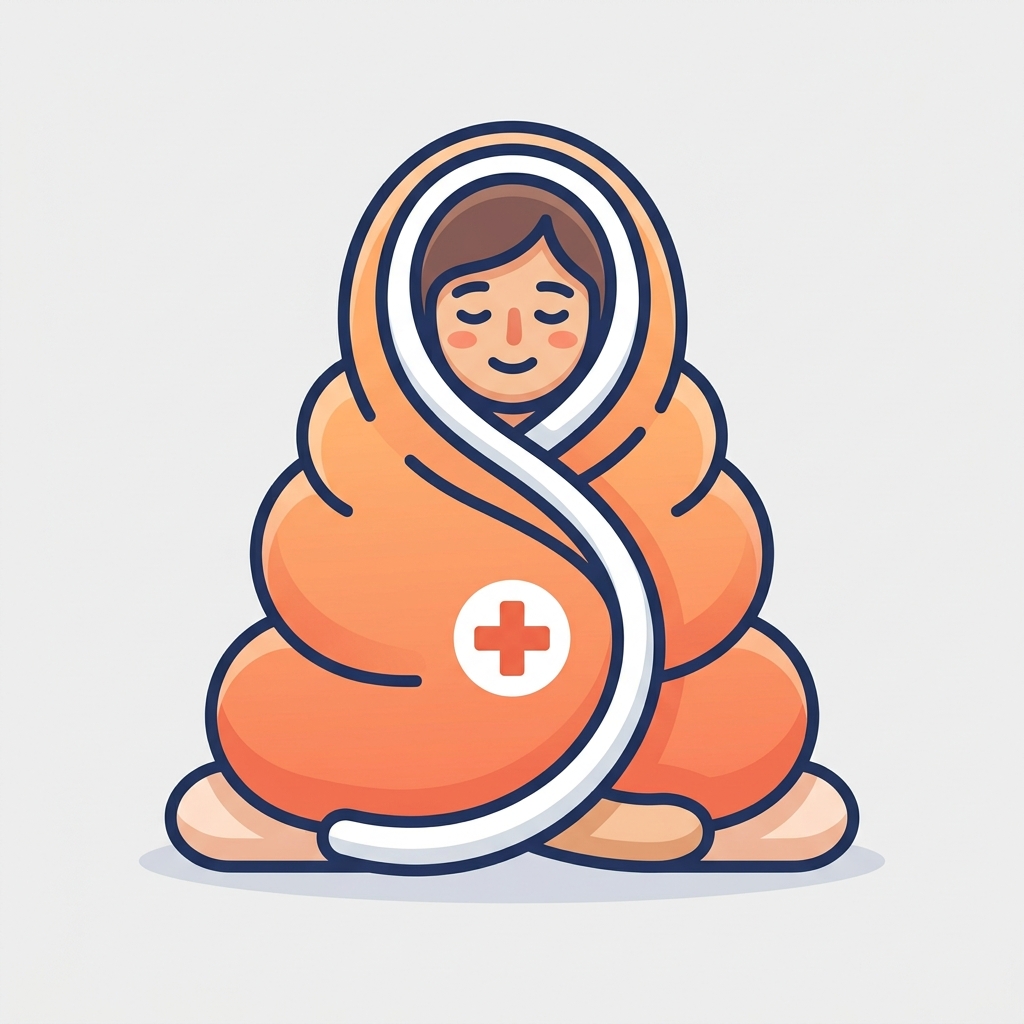
Wrap the person in dry, warm blankets, sleeping bags, or layers of dry clothing. Be sure to cover their head (excluding their face) to prevent further heat loss.
Place blankets, sleeping pads, or cardboard underneath the person to insulate them from the cold ground or floor, which absorbs body heat rapidly.
Apply warm, dry compresses or warm water bottles wrapped in towels only to the center of the body (chest, neck, and groin). Never apply compresses to limbs, and never use direct hot water or heating pads directly on their skin.
If the person is fully conscious and can swallow normally, offer warm, sweet, non-caffeinated, and non-alcoholic drinks to assist in warming the body. Do not try to feed an unconscious person.