Eye Injury — Chemical & Trauma
Proper first aid for eye injuries to wash out chemicals, protect the eye, and prevent permanent vision loss.
Proper first aid for eye injuries to wash out chemicals, protect the eye, and prevent permanent vision loss.
Eye injuries can lead to permanent blindness. Seek immediate emergency care (911 / 112) for chemical splashes, embedded foreign objects, severe bleeding, or any changes in vision.
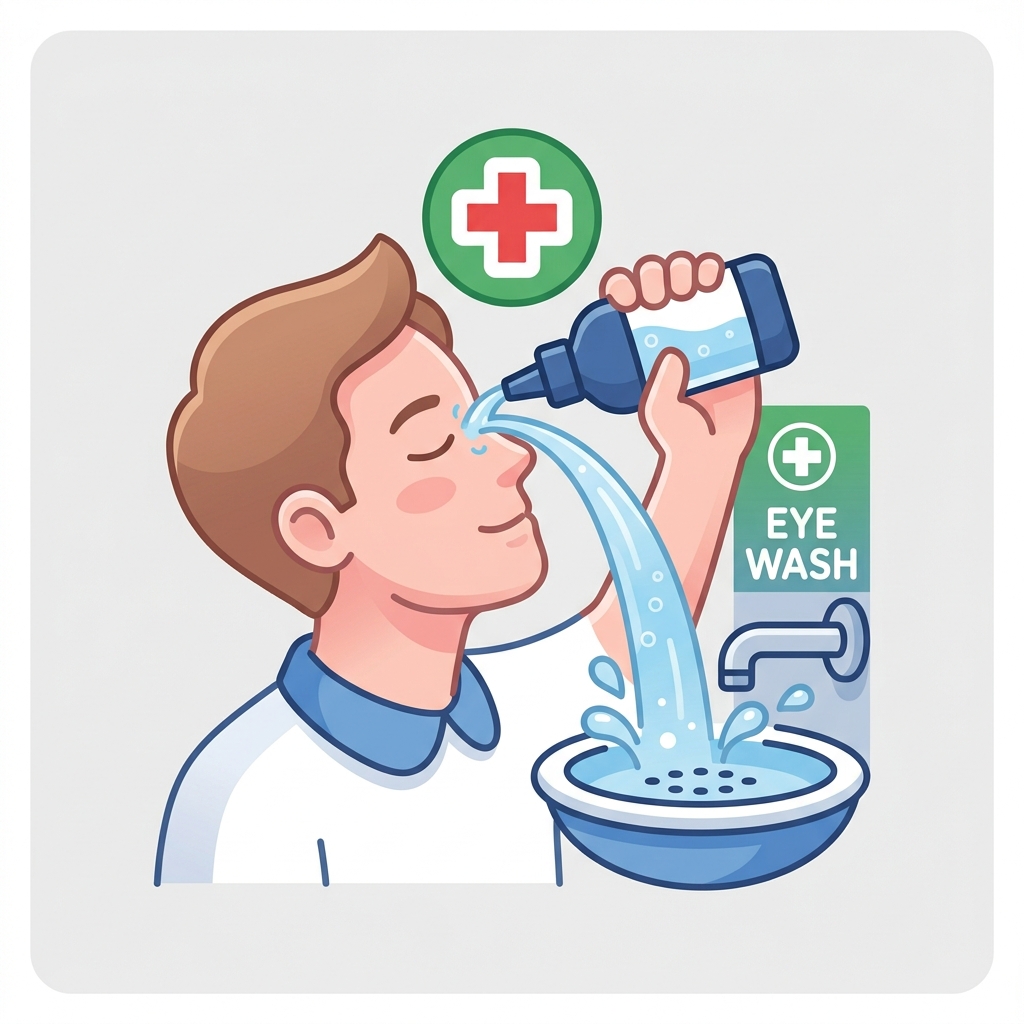
If chemicals splashed into the eye, flush it immediately with clean, lukewarm water or saline for 15 to 20 minutes continuously. Let the water run from the inner corner of the eye toward the outer corner to protect the unaffected eye.
Rubbing can scratch the cornea or push foreign particles deeper into the eye tissue. Keep the person from touching, rubbing, or applying pressure to their eyeball.
If dust, sand, or eyelashes are loose, try flushing them out gently with saline or water. Do not use tweezers or cotton swabs on the eyeball itself.
If an object (like a shard of glass, wood, or metal) is stuck or embedded in the eye, do not attempt to pull it out. Leave it in place to prevent severe eyeball rupture.
Place a rigid shield, eye patch, or the bottom of a clean paper cup over the injured eye to protect it from external pressure. Secure it with tape. Do not let any bandage touch or press the eyeball.
Transport the person to an emergency room or eye specialist immediately. Keep both eyes closed/shielded if possible, as eyes move together and keeping them closed reduces movement of the injured eye.